Herniated disc: what your back actually needs
When someone gets a herniated/slipped disc diagnosis, the instinct is almost always to stop moving, be careful and wait for it to pass.
I get it, the last thing we want is to make it worse. But it's also exactly what we shouldn't do.
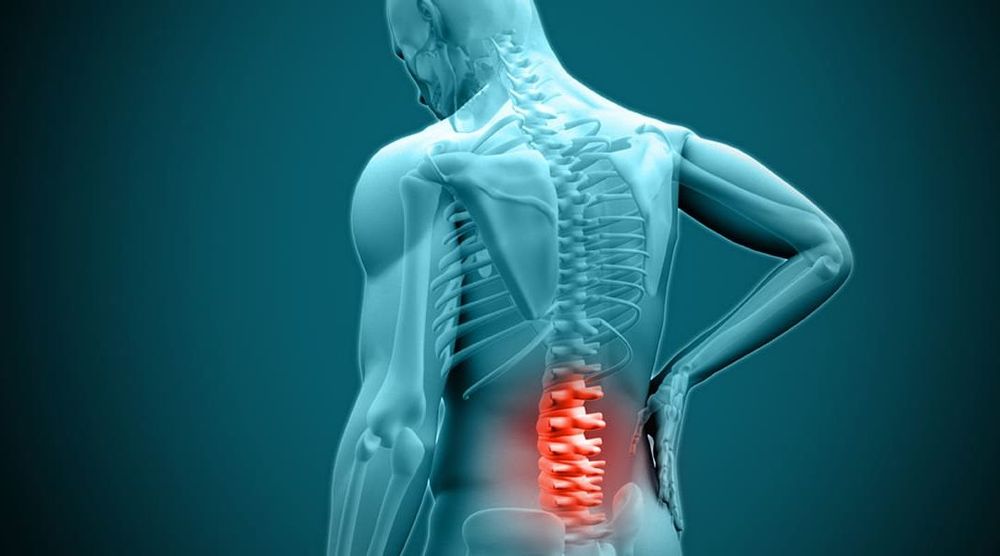
When the balance in a region of the spine is disrupted, the surrounding muscles compensate. They have to work harder, so they fatigue and become irritated.
But also, your nervous system is on high alert. The whole area has become flagged as a threat. And if we start to hyperfocus on the pain and fear movement, who only feed our "fight of flight" response.
What the back actually needs is a three-part approach.
- First, strengthening the stabilising muscles so they feel capable of the job they've been asked to do.
- Second, stretching and hydrating the surrounding tissue so it can recover properly.
- And third, calming a nervous system that has learned to treat this part of the body as dangerous. This part is often overlooked, but in my experience, it's frequently the missing piece.
It's also crucial that we think about how these lower back problems develop in the first place. They rarely happen after a sudden traumatic injury. They rather tend to follow years of sitting, of being so focused on building a career and a family that we've completely ignored our body.
I make the rebuilding of that connection a fundamental part of my approach. I want my clients to heal, but I also want to give them every chance to ensure this type of injury never happens again.
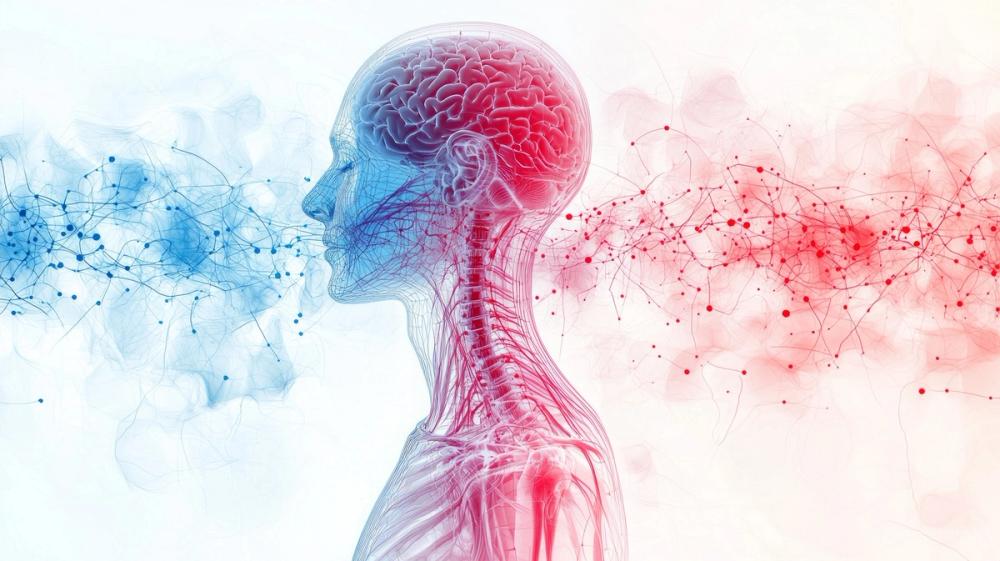
If you want to give it a try this week: spend two minutes lying on your back with your knees bent, doing nothing except noticing what you feel in your lower back. It will be hard, you will get bored. But keep listening, it's where reconnection starts.
Om, peace 🧡
Clem


