A breath of fresh air
Oh dear, there is so much going on in my life at the moment that I didn't get to write last week's email.
For those of you who don't know, I moved into my new house a couple weeks ago. And when I say "new" house, I both mean "I can't believe I, a millenial, was able to purchase a home" and "'new', as in built in the 1930s, full of dust, spiderwebs and things to fix" 😅
Anyway, I'm taking a leaf from my own book at the moment, and choosing where to make my limited energy flow. I'm focusing on my clients, my home and my family, and... I'm loving it :)
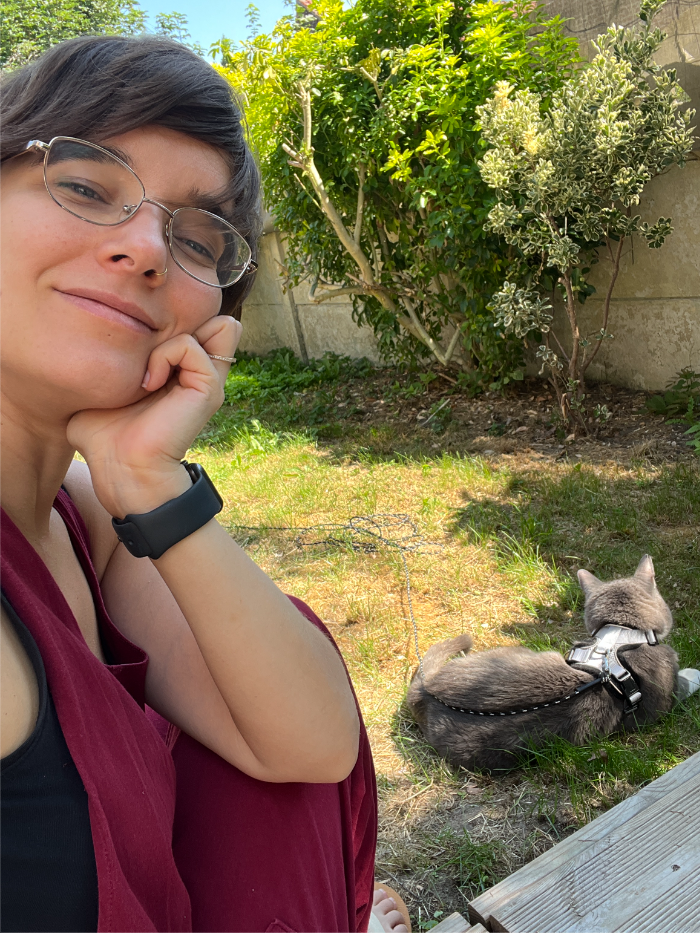
and watching my cat frolic in the garden...
But still, I wanted to share some cool stuff with you today. And that's something you might not know about your breath.
Your breath is not just an exchange of air. It's the most direct interface you have with your autonomic nervous system. I've talked extensively about that before; but it's always worth a reminder.
It means that, depending on how you breathe, you can make yourself more alert or calm, on purpose, in just a few minutes.
The rule of thumb to remember is: when your exhales are long and slow, it makes you calmer.
A tiny bit of science behind this, to prove I'm not just saying things: when you inhale, the vagus nerve (the main brake of your nervous system) is briefly inhibited. This lets your heart rate accelerate slightly. When you exhale, the vagus nerve takes back over and your heart rate slows. So the ratio between your inhale and your exhale is essentially a dial on your nervous system.
If your exhales are longer than your inhales, you are pressing the brake. If they are shorter or sharper, you are tapping the accelerator. Neither is good or bad, it depends on what you need.
How cool is it that you can influence how energised or calm you feel, though?!
A few things you can try this week:
In the morning, try a few rounds of slightly faster, forceful belly breathing. You can think of pumping the air out of your belly, or expelling a little fly from your nose 😁 You'll feel a little boost of energy after around 30s.
For the post-lunch slump, sit quietly and breathe slowly through alternating nostrils (block one nostril with your thumb, inhale, then block the other and exhale). You will feel re-centred.
For a stressful moment, breathe in for 5 counts, out for 5 counts, for 3 minutes. This is the slow rhythm research associates with the biggest gains in heart rate variability, as we've already talked about few weeks ago.
For falling asleep, breathe in for 4 counts, out for 8. The long exhale is your most reliable signal to your nervous system that you are safe and can power down.
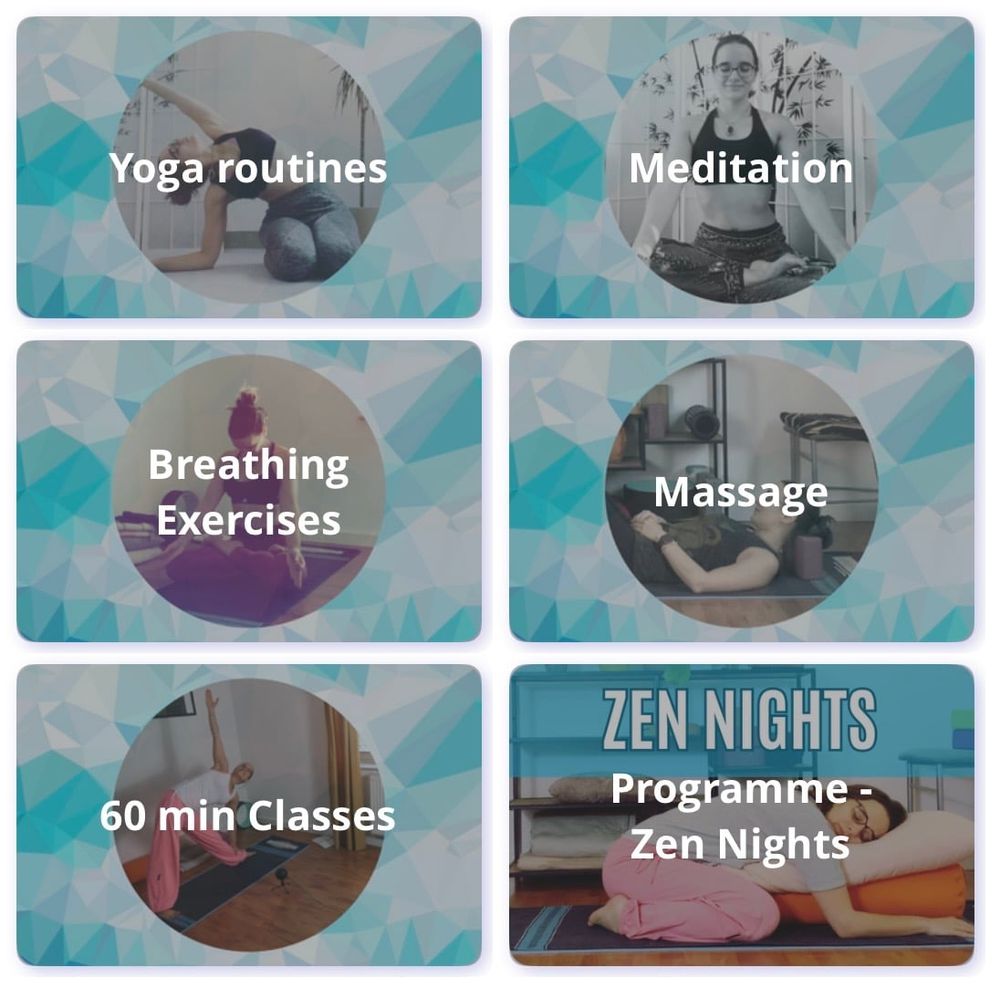
BTW, all of these techniques are available as follow-along videos in my Essential Membership. It's 35€/month to access all my videos, get personalised guidance for your routine and priority booking on 1:1 classes. I have 6 spaces left 🧡
Any questions, don't hesitate. I'm always here!
Much love,
Clem


